In 1975, Winnebago Industries continued to solidify its reputation as a leading manufacturer of recreational vehicles (RVs) in the United States. Known for innovation, quality construction, and affordability, the company introduced several updates and refinements across its product lines. This year marked a period of incremental improvements rather than radical redesigns, with a focus on enhancing comfort, safety, and performance for travelers.
What Was New for Winnebago in 1975?
Winnebago’s 1975 model year featured a range of Class A and Class C motorhomes, with updates to both standard and optional equipment. The company emphasized better drivability, more efficient use of space, and improved onboard systems. Here’s a breakdown of the most notable changes and offerings introduced that year.
Updated Interior and Exterior Features
- Improved Insulation: Enhanced thermal insulation was added to walls and ceilings to improve climate control in both hot and cold conditions.
- New Interior Décor Packages: Customers could choose from updated color schemes and upholstery options, including earth tones and patterned fabrics popular in the mid-1970s.
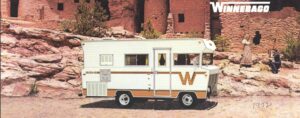
- Streamlined Exterior Design: Subtle updates to the exterior styling included new striping patterns and color combinations, giving a more modern appearance while maintaining the iconic “flying W” logo.
Chassis and Engine Options
Winnebago motorhomes in 1975 were primarily built on Dodge and Ford chassis, depending on the model. These platforms provided reliable performance and were widely supported by service networks across North America.
- Dodge M-Series Chassis: Most Class A models used this chassis, equipped with a 440 CID V8 engine, known for its durability and torque.
- Ford E-Series Chassis: Used in many Class C models, offering a balance of power and maneuverability, often paired with a 460 CID V8 engine.
- 3-Speed Automatic Transmission: Standard on most models, contributing to smoother highway driving.
Standard Features in 1975 Models
Winnebago continued to offer a robust list of standard features, making their RVs ready for travel right off the lot. These features were designed to meet the needs of long-distance travelers and full-time RVers alike.
- Dual Battery System: Separate batteries for engine and coach systems ensured reliable power management.
- 12V Lighting System: Efficient lighting throughout the cabin, with fixtures in the kitchen, bathroom, and sleeping areas.
- Water System: Pressurized fresh water system with a 30–50 gallon tank capacity, depending on the model.
- LP Gas System: Powered appliances like the refrigerator, stove, and furnace for off-grid capability.
- Three-Burner Stove with Oven: Standard in most kitchenettes, allowing for full meal preparation on the road.
Optional Equipment and Upgrades
Buyers in 1975 could customize their Winnebago with a variety of optional equipment to suit their travel style and comfort preferences. These upgrades enhanced convenience, safety, and livability.
- Onan Generator: A factory-installed generator option provided 110V AC power for appliances and air conditioning while parked off-grid.
- Dash Air Conditioning: Optional in most models, particularly useful for southern climates.
- Roof-Mounted Air Conditioner: A popular upgrade for stationary cooling while connected to shore power or using the generator.
- AM/FM Stereo Radio: An optional feature for entertainment on the road.
- Auxiliary Fuel Tank: Extended driving range with an additional fuel tank, available on select models.
Popular 1975 Winnebago Models
Several models stood out in 1975 for their popularity and design. Each offered different floor plans, lengths, and feature sets to appeal to a wide range of RV buyers.
| Model | Class | Length | Chassis | Key Features |
|---|---|---|---|---|
| Brave | Class A | 20–24 ft | Dodge M-Series | Compact, affordable, easy to maneuver |
| Chieftain | Class A | 24–27 ft | Dodge M-Series | Spacious interior, full bath, dual wardrobes |
| Indian | Class A | 22–26 ft | Dodge M-Series | Mid-range features, multiple layouts |
| Minuet | Class C | 19–21 ft | Ford E-Series | Over-cab bed, compact kitchen, bathroom |
Safety and Construction Improvements
Winnebago placed a strong emphasis on safety and structural integrity in 1975. The company’s patented Thermo-Panel construction, a sandwich of aluminum, insulation, and paneling, provided strength without excessive weight. This design also improved insulation and reduced road noise.
- Steel Reinforced Cab: Enhanced crash protection and durability.
- Improved Braking Systems: Upgraded hydraulic brakes for better stopping power.
- Fire Extinguisher and LP Leak Detector: Safety equipment included as standard in most models.
Legacy of the 1975 Winnebago Lineup
While not a revolutionary year in terms of design, 1975 was significant for Winnebago’s continued commitment to quality, innovation, and customer satisfaction. The models released this year remain popular among vintage RV collectors and restorers, thanks to their durable construction and classic styling.
As the RV industry grew in the 1970s, Winnebago’s offerings in 1975 helped set the standard for what travelers expected in comfort, reliability, and value. Many of these motorhomes are still on the road today, a testament to the company’s engineering and craftsmanship.