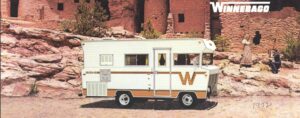
The 1974 Winnebago motorhome lineup marked a pivotal moment in the evolution of recreational vehicles (RVs). Known for combining comfort, functionality, and reliability, Winnebago’s 1974 models built on the brand’s growing reputation for innovation and value. This article explores the key models, features, and enhancements introduced that year, offering a detailed look at what made these motorhomes popular among RV enthusiasts.
Overview of the 1974 Winnebago Models
In 1974, Winnebago Industries offered a diverse range of Class A motorhomes designed to suit various travel needs and budgets. Popular models included:
- Winnebago Brave: A compact and affordable option, ideal for couples or small families.
- Winnebago Chieftain: A larger, more luxurious model with premium features and spacious interiors.
- Winnebago Indian: A mid-range motorhome offering a balance of comfort and affordability.
- Winnebago Adventurer: A high-end model with extended floor plans and advanced amenities.
Each model was built on a durable chassis—commonly Dodge or Ford—and featured Winnebago’s signature aluminum superstructure for added strength and reduced weight.
Key Features of the 1974 Lineup
The 1974 Winnebago motorhomes were designed with comfort and practicality in mind. Standard features across most models included:
- Spacious Interiors: Thoughtfully designed living spaces with ample headroom and storage.
- Fully Equipped Kitchens: Included a propane stove, oven, refrigerator, and stainless-steel sink.
- Comfortable Sleeping Areas: Convertible dinettes and fold-out sofas provided sleeping space for up to six people, depending on the model.
- Bathroom Facilities: Integrated wet baths with a toilet, sink, and shower in most mid- to high-end models.
- Durable Construction: Winnebago’s Thermo-Panel walls improved insulation and structural integrity.
Enhancements Introduced in 1974
Winnebago continued to refine its motorhomes in 1974 with several upgrades aimed at improving comfort, safety, and style. Notable enhancements included:
- Improved Insulation: Enhanced wall and roof insulation for better temperature regulation.
- Updated Interiors: New upholstery patterns, woodgrain cabinetry, and color schemes modernized the cabin environment.
- Optional Air Conditioning: Roof-mounted A/C units became more widely available across models.
- Safety Upgrades: Smoke detectors and fire extinguishers were offered or recommended for added security.
- Entertainment Systems: AM/FM radios were standard in most models, with 8-track players available as optional upgrades.
Available Floor Plans
Winnebago offered multiple floor plan configurations in 1974 to meet the varied needs of RV users. While exact layouts varied by model and length, here are some typical configurations:
| Model | Length Options | Notable Floor Plan Features |
|---|---|---|
| Brave | 18–22 ft | Overhead bunk, convertible dinette, compact galley |
| Chieftain | 24–27 ft | Rear bedroom, full bath, large kitchen area |
| Indian | 20–24 ft | Open living area, mid-coach bath, dual sleeping zones |
| Adventurer | 24–27 ft | Spacious lounge, upgraded appliances, optional twin beds |
These floor plans were designed to maximize functionality while maintaining a compact footprint suitable for highway travel and campground use.
Why the 1974 Winnebago Still Matters
Nearly five decades later, the 1974 Winnebago models remain iconic among vintage RV collectors and restoration enthusiasts. Their distinctive boxy design, reliable engineering, and nostalgic interiors continue to appeal to those seeking a retro camping experience. With proper maintenance, many of these motorhomes are still roadworthy today, a testament to their build quality and enduring appeal.
Restoration communities and online forums have helped keep interest alive, offering parts sourcing, manuals, and advice for vintage RV owners. Whether displayed at RV shows or used for weekend getaways, the 1974 Winnebago models represent a golden era of American road travel.